


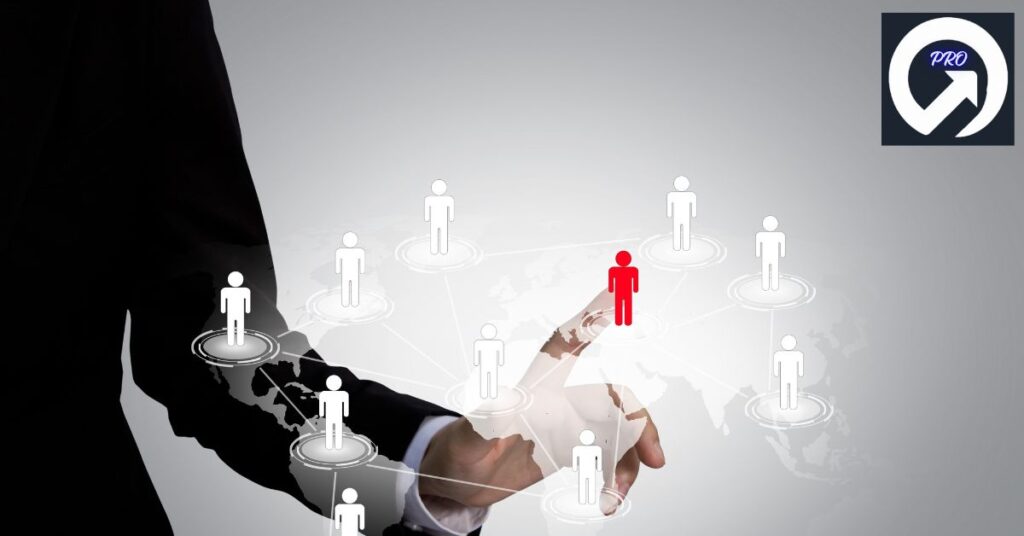
In the rapidly shifting socioeconomic landscape of 2026, the traditional models of non-profit management and community development are undergoing a radical evolution. At the center of this transformation is the @letsbuildup org movement, a digital-first initiative that prioritizes horizontal networking over vertical hierarchy. As global communities face the dual challenges of economic volatility and environmental change, the need for agile, transparent, and collaborative platforms has never been greater. This organization serves as a blueprint for modern social entrepreneurship, leveraging the power of “Micro-Volunteering” and decentralized funding to address local issues with global expertise.
The philosophy behind @letsbuildup org is rooted in the belief that sustainable change must be community-led and data-driven. By providing a structured environment where grassroots leaders can connect with technical specialists, the platform facilitates the cross-pollination of ideas that lead to resilient urban and rural ecosystems. This introduction explores the core tenets of the framework, examining how its commitment to “radical transparency” and “inclusive innovation” is redefining what it means to be a social impact organization in the mid-2020s. As we delve into the specific operational pillars, it becomes clear that the success of this model lies in its ability to empower the individual to contribute to the collective good.
The Evolution of Decentralized Social Philanthropy
The year 2026 marks a departure from the “black box” model of traditional charities, where donors often had little visibility into the direct impact of their contributions. The current trend, championed by modern movements, involves the use of blockchain-based ledgers to track every dollar from donation to implementation. This “Direct-Impact” model ensures that resources reach the intended beneficiaries without being siphoned off by excessive administrative overhead. In this decentralized environment, community members act as stakeholders, voting on project priorities and overseeing the allocation of funds through smart contracts.
This shift has fostered a new sense of agency among local leaders. Instead of waiting for top-down approval from a centralized board, communities can initiate “Flash-Funds” for urgent needs, such as repairing a local community center or launching a neighborhood garden. This speed and agility are critical in a fast-paced economy where social needs can change overnight. By removing the gatekeepers of traditional philanthropy, the movement has democratized the ability to effect change, creating a more responsive and equitable social safety net that reflects the true priorities of the people on the ground.
Building Urban Resilience through Collaborative Design
Urban environments in 2026 are increasingly defined by their ability to adapt to climate and economic shifts. The concept of “Tactical Urbanism”—the use of low-cost, temporary interventions to improve local environments—is a primary focus for modern developers. Collaborative design labs allow residents to co-create solutions for their own neighborhoods, such as modular cooling stations for heatwaves or permeable pavement systems to manage flash flooding. These projects are not just functional; they are educational, teaching residents the principles of sustainable engineering and maintenance.
By utilizing “Open-Source Urbanism,” blueprints for successful projects are shared globally, allowing a solution developed in Bogota to be adapted and implemented in Brisbane. This global knowledge exchange reduces the “trial and error” phase of community development, saving time and resources. The focus is on scalable, replicable models that can be implemented with local materials and labor. This approach not only builds physical resilience but also strengthens social cohesion, as neighbors work together toward a tangible common goal, fostering a sense of shared ownership and pride in their local environment.
The Role of Micro-Volunteering in a Gig Economy
As the traditional 9-to-5 workday continues to vanish in favor of flexible, project-based work, the way people volunteer has also changed. “Micro-Volunteering” is the practice of contributing small blocks of time—often remotely—to specific tasks. A graphic designer might spend thirty minutes creating a logo for a local food bank, or a data analyst might spend an hour cleaning a survey dataset for a housing project. This allows highly skilled professionals to contribute their expertise without the long-term commitment that traditional board positions require.
This “Skill-Sharing” model is a cornerstone of current organizational strategies. It creates a vast, on-demand workforce that can be activated instantly. For the volunteer, it provides a way to build a social-impact portfolio while fitting altruism into a busy schedule. For the organization, it provides access to specialized talent that would otherwise be prohibitively expensive. This fluidity ensures that projects are not stalled by a lack of specific expertise, allowing for a more professional and polished output for even the smallest grassroots initiatives.
Data-Driven Advocacy and the Power of Storytelling
In 2026, advocacy is no longer just about passion; it is about proof. Organizations are utilizing real-time data visualization to tell compelling stories about social needs and successes. By mapping local poverty indices against community interventions, leaders can show exactly how much a new vocational training program has increased neighborhood employment rates. This “Evidence-Based Storytelling” is essential for securing long-term partnerships with corporate sponsors and government bodies who require measurable outcomes.
However, data is only half of the equation. Human-centric narratives—the stories of individuals whose lives have been changed—remain the most powerful tool for mobilization. The current trend is to marry hard data with high-fidelity video content and interactive digital exhibits. This multi-sensory approach engages the audience on both an intellectual and emotional level, turning passive observers into active participants. By making the invisible struggles of a community visible through data and story, advocates can build the public will necessary to drive systemic change at the policy level.
Integrating Circular Economy Principles in Local Projects
Sustainability in 2026 has moved beyond simple recycling toward the “Full-Cycle” management of resources. Local projects now prioritize the use of repurposed materials, turning urban waste into valuable assets. For example, a community furniture-making initiative might use wood salvaged from demolished buildings, or a community kitchen might operate on biogas produced from organic waste. This “Circular” approach reduces the environmental footprint of social projects while creating local “Green Jobs” that cannot be outsourced.
This economic model also builds financial independence. By reducing the need to purchase raw materials, projects become more self-sustaining and less reliant on external grants. Furthermore, the products of these initiatives—whether they be refurbished laptops or upcycled clothing—can be sold to generate income for the project’s expansion. This “Social Enterprise” model ensures that the impact continues long after the initial funding has ended. It transforms “beneficiaries” into “entrepreneurs,” shifting the dynamic from one of dependency to one of mutual exchange and economic empowerment.
Digital Literacy and the Closing of the Participation Gap
The digital divide in 2026 is no longer just about access to hardware; it is about the “Participation Gap”—the ability to navigate and influence digital systems. Modern social initiatives include mandatory digital literacy components, teaching residents how to use collaborative software, navigate blockchain voting systems, and manage their digital identities safely. This is not just a technical skill; it is a civic requirement for participating in the decentralized governance models of the future.
By closing this gap, organizations ensure that the “digital elite” are not the only ones making decisions. Inclusivity in 2026 means providing the tools and the training necessary for everyone—regardless of age or background—to have a seat at the virtual table. This focus on “Digital Equity” ensures that the solutions developed are representative of the entire community. When a grandmother in a rural village can use a smartphone app to vote on a local irrigation project, the organization has achieved true systemic inclusion, creating a more robust and resilient democracy.
Strategic Networking and the Global Impact Exchange
While the focus of most projects is local, the network that supports them is global. The “Global Impact Exchange” is a trend where organizations trade not just funds, but “Solution Modules.” If a community in Kenya develops a highly efficient solar-powered water filtration system, that “module” (including the technical specs, training manuals, and funding structure) can be traded with a community in the Philippines for a “module” on disaster-resilient housing. This peer-to-peer exchange is the ultimate expression of horizontal networking.
This strategy prevents the “siloing” of information and ensures that the best ideas are propagated quickly. It also allows for the benchmarking of success across different cultural and geographic contexts. By participating in this global exchange, local leaders become part of a worldwide movement of “Problem Solvers.” They are no longer isolated; they are connected to a global brain that provides constant support, inspiration, and technical assistance. This collective intelligence is the most powerful resource for social change in the 2026 landscape, ensuring that no community has to build from scratch.
Community Impact Framework Table 2026
| Feature Category | Traditional NGO Model | @letsbuildup org Model | Primary Benefit |
| Funding | Centralized Grants | Decentralized Flash-Funds | Speed & transparency of resources |
| Governance | Board-Led | Community-Stakeholder Voting | High accountability & local agency |
| Volunteering | Long-term Commitment | Micro-Volunteering / Skill-Sharing | Access to specialized global talent |
| Technology | Proprietary Systems | Open-Source Blueprints | Scalability & global knowledge sharing |
| Sustainability | Grant-Dependent | Circular Social Enterprise | Long-term financial independence |
| Data Use | Annual Reports | Real-time Impact Visualization | Evidence-based advocacy & trust |
| Network | Isolated / Competitive | Collaborative Impact Exchange | Rapid propagation of best practices |
Frequently Asked Questions
What is the core mission of @letsbuildup org?
In 2026, the movement focuses on empowering local communities through decentralized tools, open-source urbanism, and collaborative skill-sharing to build a more resilient and equitable world.
How does decentralized funding work on the platform?
It utilizes blockchain technology to allow donors to fund specific projects directly. Smart contracts ensure that funds are only released when specific project milestones are met and verified by the community.
Can anyone participate in micro-volunteering?
Yes. The platform is designed to match small, specific tasks with individuals who have the requisite skills, allowing anyone with a digital device and a few minutes of spare time to contribute to a global cause.
What is “Open-Source Urbanism”?
It is the practice of sharing the technical designs and implementation plans for community projects (like urban farms or water systems) freely online so that other communities can replicate them without the cost of new research.
How does the organization measure success?
Success is measured through “Live Impact Metrics,” which combine hard data (like employment rates or carbon reduction) with qualitative community feedback, all visible in real-time on a public dashboard.
Conclusion
In summary, the @letsbuildup org framework represents the definitive shift from paternalistic charity to collaborative empowerment. By leveraging the technical advancements of 2026—blockchain transparency, AI-driven data visualization, and decentralized networking—the movement has created a sustainable and scalable model for social change. The success of this approach lies in its recognition that the “expert” is often the person living the problem, and the role of the organization is simply to provide the tools and connections necessary for that person to build a solution.
As we look toward the future, the resilience of our global society will depend on these horizontal networks of trust and skill-sharing. By democratizing philanthropy and urban design, we are not just building better neighborhoods; we are building a more inclusive and capable global community. Whether you are a donor, a volunteer, or a local leader, the principles of transparency and collaboration found here offer a clear path toward a future where everyone has the power to build up their world.