

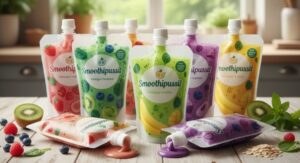
The Finnish keyword “smoothiepussit” translates directly to “smoothie pouches”—pre-packaged, ready-to-eat pureed fruit and vegetable blends typically sold in resealable, squeezable flexible packaging. Originating primarily as a convenient baby food format, these pouches have rapidly expanded into the adult and general health food markets. They represent a significant shift in consumer preference toward portability, minimal preparation, and clean-label nutritional claims. The market for smoothie pouches is characterized by intense innovation in flavors, ingredient sourcing, and packaging sustainability, positioning them as a core component of the modern grab-and-go dietary landscape.
The Evolution from Baby Food to Adult Snacking
The initial market success of smoothiepussit was driven by parents seeking convenient, mess-free ways to feed infants and toddlers pureed foods. The resealable design and soft spout made feeding on the go simple, replacing the bulk and fragility of glass jars. However, the appeal quickly transcended early childhood. Adults, drawn to the same portability and convenience, adopted the pouches as a fast, healthy substitute for traditional smoothies, juices, or yogurt. Today, the adult market features sophisticated flavor profiles, functional ingredients (like protein or caffeine), and organic, high-fiber content, demonstrating the format’s broad demographic reach.
Nutritional Composition and Clean Labeling
A key factor in the popularity of smoothiepussit is the emphasis on “clean labeling.” Consumers demand transparency regarding ingredients, leading manufacturers to prioritize whole, recognizable foods. The core composition typically includes a blend of fruits (like apples, bananas, or berries) and often incorporates vegetables (such as spinach, kale, or sweet potato) to boost nutritional density. The most successful brands strictly avoid artificial colors, flavors, and preservatives. Furthermore, a growing segment focuses on no-added-sugar formulations, relying solely on the natural sugars present in the fruits, appealing to health-conscious consumers wary of high sugar content in processed beverages.
The Science of Shelf Stability
A technical marvel behind the widespread availability of smoothie pouches is the manufacturing process that ensures shelf stability without heavy preservatives. The purees are typically subjected to a process called High-Pressure Processing (HPP) or a gentler, rapid heat sterilization process (pasteurization) before being sealed in the airtight, aseptic pouches. HPP uses extreme pressure rather than heat, which helps retain more of the raw ingredients’ natural flavor, color, and, critically, heat-sensitive vitamins and nutrients that might be destroyed by traditional high-heat methods. This innovative food science allows the pouches to remain safe and fresh for extended periods without refrigeration until opened.
Packaging Innovation and Sustainability Challenges
The flexible plastic pouch itself is central to the product’s function but poses a significant sustainability challenge. While the lightweight nature of the packaging results in a lower carbon footprint during transport compared to glass or rigid plastic bottles, the multi-layer, composite plastic material is often non-recyclable in standard municipal recycling systems. In response, manufacturers are actively innovating, developing pouches with mono-material structures, or partnering with specialized recycling programs and industry groups to address end-of-life disposal, aiming for a more circular economy solution for this packaging format.
Functional Ingredients and Health Claims
The adult smoothie pouch market has moved firmly into functional foods, incorporating ingredients to support specific health goals. Consumers can find pouches boosted with whey or plant-based proteins (for muscle recovery), probiotics (for gut health), omega-3 fatty acids (for brain health), or superfoods (like chia, flax, or spirulina) for added fiber and antioxidants. These specific health claims allow brands to command a premium price and cater to niche dietary needs, positioning the pouches not just as snacks, but as supplements or meal replacements.
Market Segmentation and Consumer Trust
The smoothiepussit market is segmented heavily by ingredient quality and price point. At the premium end are certified organic, non-GMO, and locally sourced ingredients, often appealing to consumers with higher disposable income. At the mass-market end, volume and affordability are key. Regardless of the segment, maintaining consumer trust is paramount. Brands achieve this through stringent quality control, transparent sourcing information (often available via QR codes on the packaging), and endorsements from pediatricians or nutritional bodies. Any lapse in trust due to recalls or misleading claims can severely damage market standing.
Regulatory Landscape and Label Accuracy
The regulatory environment for smoothiepussit is complex, particularly concerning labeling. Since many pouches are marketed toward children, regulators and consumer watchdogs scrutinize claims related to “naturalness,” sugar content, and nutritional equivalency to whole fruit. There is an ongoing debate regarding whether pureed fruit, lacking the fiber structure of whole fruit, should be treated identically to solid fruit in dietary guidelines. Manufacturers must carefully navigate these rules, ensuring that packaging accurately reflects nutritional facts, especially concerning serving sizes and sugar content.
The Role in Sports and Performance Nutrition
In the realm of sports and performance nutrition, smoothie pouches offer an ideal solution for pre- or post-workout fuel. They provide an easily digestible source of quick carbohydrates for energy before exercise, and the added protein variants aid in recovery afterward. Their liquid-gel consistency makes them easy to consume without stomach upset, even during intense physical activity, positioning them alongside traditional energy gels and sports drinks but with a more perceived “natural” ingredient profile.

The Future of Convenient Consumption
The success of smoothiepussit suggests a permanent shift toward hyper-convenient, minimally processed foods that do not require cutlery or refrigeration. Future innovations are expected to focus on fully compostable or edible packaging, further minimizing waste. There will also be a likely trend toward greater technological integration, perhaps using personalized QR codes on the pouch to offer customized nutritional information or suggestions based on individual dietary needs or activity levels, solidifying their role in the future of personalized nutrition.
Global Market Trends and Localized Flavors
While the pouch format is a global phenomenon, successful brands localize flavors to suit regional tastes. For example, in Nordic countries like Finland (where the term “smoothiepussit” is used), formulations often emphasize local berries (like lingonberries and blueberries) and Nordic grains. This localization strategy ensures market relevance and leverages consumer preference for regional, seasonal produce, creating a stronger emotional connection and perceived freshness with the product despite its shelf-stable nature.