HDPOrax (High-Density Polymeric Oxidative Resin Aggregate) represents a conceptual breakthrough in material science, designed to combine extreme structural stability with advanced chemical reactivity. This novel material is not a simple composite; rather, it is a complex, cross-linked polymer matrix engineered at the molecular level to exhibit properties far exceeding conventional high-density plastics or reinforced concrete. The core innovation lies in its unique oxidative inclusion structure, which allows it to chemically interact with certain environmental factors, making it an ideal candidate for both durable infrastructure and targeted industrial cleanup.
Molecular Engineering and Core Properties
The synthesis of HDPOrax involves a sophisticated, multi-stage polymerisation process. The final product features a densely packed, crystalline structure, giving it a high bulk density and exceptional tensile strength. Crucially, the material incorporates specialised oxidative agents embedded within the polymer chains. When exposed to specific stimuli—such as ultraviolet light, certain temperature ranges, or particular pollutants—these agents can be triggered to initiate a controlled chemical reaction. This characteristic allows the material to perform dual roles: structural integrity and active functional chemistry.
Application in Extreme Structural Engineering
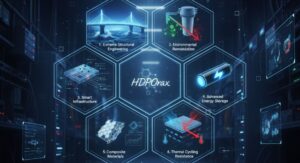
One of the primary target applications for HDPOrax is in extreme structural engineering. Its superior mechanical properties—including resistance to cracking, high compressive strength, and remarkable fatigue resistance—make it suitable for use in high-stress environments. This includes deep-sea oil platforms, aerospace components, or infrastructure built in seismic zones. The density of the material, coupled with its resistance to corrosive agents like saltwater and industrial acids, ensures a service life significantly longer than traditional reinforced materials, reducing long-term maintenance costs.
Environmental Remediation Capabilities
The most revolutionary aspect of HDPOrax is its hypothesised use in environmental remediation. The embedded oxidative aggregates can be engineered to specifically target and neutralise persistent organic pollutants (POPs) or heavy metal ions. For instance, the material could be deployed as a permeable reactive barrier in groundwater contamination zones. As contaminated water flows through the barrier, the oxidative agents within the polymer matrix break down the harmful chemicals into inert or less toxic compounds, effectively cleaning the water or soil without the need for energy-intensive conventional methods.
Manufacturing and Economic Viability
The production of HDPOrax is highly resource-intensive due to the need for precise molecular control during the polymerisation phase. However, the long-term economic viability stems from its extended lifespan and reduced maintenance cycle. While the initial material cost is high, the cost savings realised over decades of service in hostile environments—where replacement is difficult and expensive—make it highly competitive against conventional, less durable alternatives. Ongoing research focuses on optimising catalyst systems to lower energy input during the manufacturing process.
Durability Against Thermal Cycling
A common failure point for construction materials is damage caused by thermal cycling (repeated expansion and contraction due to temperature swings). HDPOrax is designed with a very low coefficient of thermal expansion, meaning its volume changes minimally across a broad temperature range. This dimensional stability is critical for infrastructure like bridges and high-rise buildings that are constantly exposed to environmental fluctuations, ensuring the structural integrity of joints and connections is maintained over the lifetime of the asset.
Integration with Smart Technology
In its advanced conceptual forms, HDPOrax is envisioned to integrate seamlessly with smart infrastructure technology. Micro-sensors could be embedded within the polymer during manufacturing, allowing the material to report on its own structural health, monitor strain levels, or even signal when its oxidative capacity for remediation is nearing depletion. This real-time, self-diagnostic capability would transform passive infrastructure into active, intelligent systems capable of preemptive maintenance.
Challenges in Material Synthesis
The complexity of synthesising HDPOrax presents significant scientific challenges. Achieving a uniform distribution of the oxidative agents throughout the dense polymer matrix is difficult, as is ensuring the longevity and stability of the embedded chemical groups until they are needed. Researchers must carefully balance the material’s structural demands with its chemical functionality, ensuring that one does not compromise the other during fabrication or operation.
Potential in Energy Storage and Composites
Beyond structural and environmental uses, the unique chemical profile of HDPOrax suggests potential applications in next-generation energy storage. The dense, stable matrix could serve as a highly efficient, lightweight casing for solid-state battery components. Furthermore, it could be processed into composite materials by reinforcing it with carbon nanotubes or graphene, creating hybrid materials with unparalleled strength-to-weight ratios for specialised manufacturing sectors.
Regulatory and Safety Considerations
Due to its high chemical reactivity and novel composition, the deployment of HDPOrax would require rigorous regulatory scrutiny and safety testing. Manufacturers would need to demonstrate that the controlled oxidative process is safe, non-toxic to surrounding ecosystems, and that the spent material can be safely disposed of or recycled. Establishing robust end-of-life protocols would be essential before widespread commercial adoption.

