

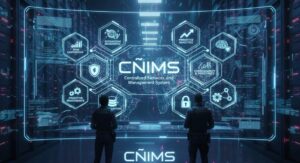
CÑIMS (Centralized Network and Information Management System) is an advanced, enterprise-level digital platform designed to provide a unified command and control structure over disparate, geographically spread operational assets. It is utilized in sectors where seamless communication, real-time data integration, and absolute system reliability are non-negotiable—such as national infrastructure management, large-scale utilities (power grids, water distribution), or sophisticated defense and security operations. The system’s architecture is built to ingest massive streams of data from various sensors, databases, and communication nodes, processing this information to create a single, authoritative operational picture for decision-makers.
Core Architectural Design and Data Aggregation
The fundamental strength of CÑIMS lies in its centralized architecture. Unlike systems where data remains siloed in individual departments, CÑIMS employs a multi-tiered structure that aggregates raw input from thousands of field devices—IoT sensors, Supervisory Control and Data Acquisition (SCADA) systems, human input interfaces, and external weather feeds. This aggregated data is funneled into a high-performance central processing unit where it is cleaned, correlated, and validated in real-time. This structure is critical for identifying non-obvious correlations between events, such as linking a network performance dip to an environmental factor like temperature or storm activity. The system’s design prioritizes both low latency and high data integrity to support immediate operational decisions.
Real-Time Situational Awareness and Visualization
A primary function of CÑIMS is to provide real-time situational awareness. The system translates complex operational data into easily digestible, visual formats presented on large, customized dashboards. These visualizations often include geographic information system (GIS) overlays, showing the physical location and status of every asset, color-coded for operational health, security threats, or required maintenance. This instantaneous, unified view allows operators in a command center to monitor the entire network at a glance, making it possible to spot developing crises or system failures much faster than traditional segmented monitoring systems.
Decision Support and Predictive Modeling
CÑIMS transcends simple monitoring by functioning as a sophisticated decision support system. It utilizes embedded machine learning and predictive modeling algorithms that analyze historical data patterns to forecast potential failures or operational bottlenecks. For example, in a utility context, the system might predict a likely equipment failure based on current vibration readings, historical temperature spikes, and recent maintenance logs. This capability allows operators to transition from reactive maintenance (fixing things after they break) to proactive, predictive maintenance, dramatically increasing system uptime, reducing catastrophic failures, and lowering overall operational costs.
Security and Resilience in Critical Infrastructure
Given its role in managing critical infrastructure, CÑIMS is engineered with uncompromising cybersecurity and resilience. The system operates on closed, highly encrypted networks, often isolated from the public internet (air-gapped) to minimize external attack surfaces. Defense-in-depth strategies are employed, including intrusion detection, continuous vulnerability scanning, and automated response protocols that can isolate compromised segments without collapsing the entire network. Furthermore, the architecture includes robust redundancy and failover mechanisms, ensuring that if a central node or data center fails, operations can instantaneously switch to a backup system, maintaining operational continuity during a crisis.
Interagency and Interdepartmental Coordination
CÑIMS plays a crucial role in improving coordination and communication between different agencies or internal departments. By acting as a single source of truth, it breaks down informational silos. For example, in a military or security context, intelligence analysts, field commanders, and logistics teams can all view the same, authoritative operational status and share live updates, drastically reducing the possibility of miscommunication during fast-moving events. This unified approach ensures that all operational decisions are based on the latest, most complete set of facts available across the entire organizational structure.
Challenges of Integration and Customization
Implementing and maintaining a system as complex as CÑIMS presents significant challenges, primarily related to integration and customization. Because it must interface with legacy hardware and diverse proprietary systems (often spanning decades of technological evolution), developers must create extensive custom interfaces and translators. The initial deployment requires massive data migration and highly specialized training for personnel. Moreover, the system often requires bespoke customization to match the unique operational protocols and regulatory requirements of the specific organization it serves.
Personnel Training and Human-Machine Interface
The effectiveness of CÑIMS is directly dependent on the proficiency of its operators. The user interface (UI) is designed to be highly intuitive and efficient, but the complexity of the data demands rigorous personnel training. Training programs often utilize realistic simulations and scenarios to prepare operators for high-stress decision-making moments. The goal is to achieve a seamless human-machine interface (HMI) where operators can interpret the AI’s predictions and system alerts accurately, relying on the system as an augmentative tool rather than a replacement for human judgment.

Global and Cross-Jurisdictional Applications
For international organizations or utilities that cross national borders, CÑIMS is adapted to handle cross-jurisdictional compliance and regulatory differences. This means the system must maintain distinct logging and reporting functions tailored to different national standards for data retention, privacy, and operational reporting. This adaptability allows the system to support centralized monitoring while simultaneously respecting diverse local legal requirements, a capability vital for modern, globally distributed operations.